News
Top News
European Football Qualification Explained: How Premier League Clubs Reach Europe
European Football Qualification Explained: How Premier League Clubs Reach EuropeEuropean qualification plays a significant role in Premier League betting markets throughout the season. From the race for Champions League places to battles for Europa League and Conference League qualification, understanding how clubs secure European football can help bettors make more informed decisions.This guide explains the qualification process, the impact of domestic cup competitions, and how the so-called cascade effect can influence which clubs ultimately earn a place in Europe.How Premier League Clubs Qualify for European CompetitionsPremier League clubs can qualify for UEFA competitions through league position or by winning domestic cup competitions.The three main UEFA club competitions are:• UEFA Champions League• UEFA Europa League• UEFA Europa Conference LeagueThe exact allocation of places can vary depending on UEFA regulations and domestic cup outcomes.Champions League QualificationThe Main Route: League PositionThe primary route into the UEFA Champions League is through Premier League performance.Clubs finishing in the highest qualifying league positions earn entry into Europe's elite club competition for the following season.The battle for Champions League qualification is one of the most popular long-term betting markets, particularly during the final months of the campaign.Why Champions League Qualification MattersChampions League football provides substantial financial rewards and often influences transfer activity, squad planning and managerial decisions.As a result, clubs competing for qualification frequently face increased pressure during the closing stages of the season.Europa League QualificationLeague QualificationThe Europa League typically provides a route into European football for clubs finishing just outside the Champions League positions.League performance remains the most common route, although domestic cup competitions can also award Europa League places.The Importance of the FA CupThe FA Cup winner receives a Europa League qualification place.However, if the FA Cup winner has already secured European football through league position, the place does not disappear. Instead, it is passed down to the next eligible club in the league standings.Conference League QualificationThe UEFA Europa Conference League represents the third tier of European club competition.Qualification often depends on a combination of league position and domestic cup results.In some seasons, clubs finishing lower in the Premier League table can still qualify due to the redistribution of European places.Understanding the Cascade EffectThe cascade effect is one of the most important concepts for football bettors to understand.When a club wins a domestic cup but has already qualified for Europe through league position, their allocated European place is transferred to another eligible club.Example ScenarioA club finishes in a Champions League qualification position.The same club also wins the FA Cup.Because they have already qualified for Europe through the league, the Europa League place associated with the FA Cup passes down the table.This can allow an additional club to qualify for Europe.As a result, clubs finishing sixth, seventh or even lower may remain in contention for European football depending on how domestic cup competitions unfold.How Domestic Cups Influence European QualificationFA Cup WinnersThe FA Cup can significantly alter European qualification outcomes. Bettors tracking end-of-season markets should monitor both league standings and cup competitions.Carabao Cup WinnersThe Carabao Cup can also affect European allocations. If the winning club has already secured qualification through league performance, the associated European place may be redistributed.This creates additional complexity for qualification markets and futures betting.Betting Opportunities Around European QualificationTop Four MarketsThe race for Champions League qualification remains one of the most actively traded football betting markets throughout the season.Key factors to analyse include:• Remaining fixtures• Recent form• Injury news• Head-to-head matches• Home and away recordsEuropa League and Conference League MarketsMarkets focused on fifth, sixth and seventh-place finishes can provide value when qualification scenarios become more complicated.Bettors who understand the cascade effect often identify opportunities before market prices fully adjust.Outright and Each-Way MarketsLong-term markets covering final league positions can offer attractive opportunities during the second half of the season.Always compare odds across bookmakers and understand the specific market rules before placing a wager.Frequently Asked QuestionsDoes winning the FA Cup guarantee European qualification?Yes. The FA Cup winner earns a European place, although the exact competition may depend on current UEFA regulations and qualification pathways.Can a seventh-placed Premier League club qualify for Europe?Yes. The redistribution of European places through the cascade effect can allow a seventh-placed club to qualify in certain circumstances.Why do cup competitions affect league qualification places?European places awarded through domestic cups are transferred when the winning club has already qualified through league performance.What is the Conference League?The UEFA Europa Conference League is UEFA's third-tier club competition and offers additional European qualification opportunities for domestic clubs.How important is European qualification for bettors?Qualification races often influence motivation, team selection and market pricing during the final stages of a season, making them important factors for football bettors.ConclusionUnderstanding how Premier League clubs qualify for Europe can provide valuable insight into end-of-season football betting markets. Whilst league position remains the primary route into UEFA competitions, domestic cup results and the cascade effect can significantly alter qualification outcomes.Bettors who understand these mechanisms are often better positioned to evaluate outright markets, top-four races and European qualification betting opportunities.Responsible GamblingBetting should always remain enjoyable and affordable. Never gamble more than you can afford to lose. If you require support, visit BeGambleAware.org. You must be aged 18 or over to participate in gambling activities.
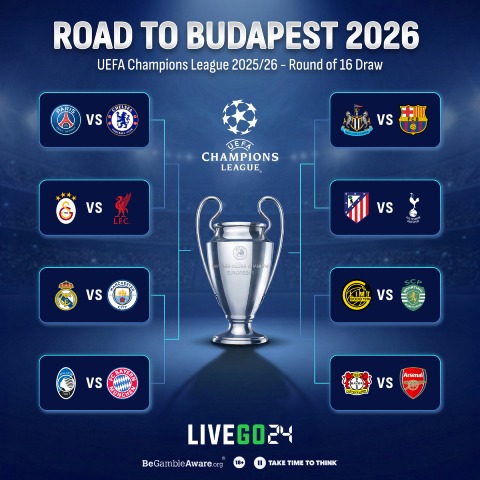
UEFA Champions League Round of 16 Fixtures and Match Dates 2026
The knockout phase of the UEFA Champions League brings together the strongest teams in European football. After an intense league phase and play-off round, the Round of 16 will decide which clubs progress to the quarter-finals of the 2025/26 competition.The ties will be played across two legs in March 2026, with the first matches taking place on 10 and 11 March, followed by the return legs on 17 and 18 March.Champions League Round of 16 – First Leg FixturesTuesday, 10 March 2026Galatasaray vs LiverpoolAtalanta vs Bayern MunichAtlético Madrid vs Tottenham HotspurNewcastle United vs BarcelonaWednesday, 11 March 2026Bayer Leverkusen vs ArsenalReal Madrid vs Manchester CityBodø/Glimt vs Sporting CPParis Saint-Germain vs ChelseaSecond Leg FixturesTuesday, 17 March 2026Liverpool vs GalatasarayBayern Munich vs AtalantaTottenham Hotspur vs Atlético MadridBarcelona vs Newcastle UnitedWednesday, 18 March 2026Arsenal vs Bayer LeverkusenManchester City vs Real MadridSporting CP vs Bodø/GlimtChelsea vs Paris Saint-GermainWhat to Expect from the Round of 16This stage features some of the biggest clubs in Europe, including Real Madrid, Bayern Munich, Barcelona, Manchester City and Liverpool. Several blockbuster ties headline the round, particularly the clash between Manchester City and Real Madrid, while PSG vs Chelsea and Barcelona vs Newcastle United also promise thrilling encounters.With each tie played over two legs, tactical discipline, squad depth and moments of individual brilliance will be decisive as teams chase a place in the quarter-finals.
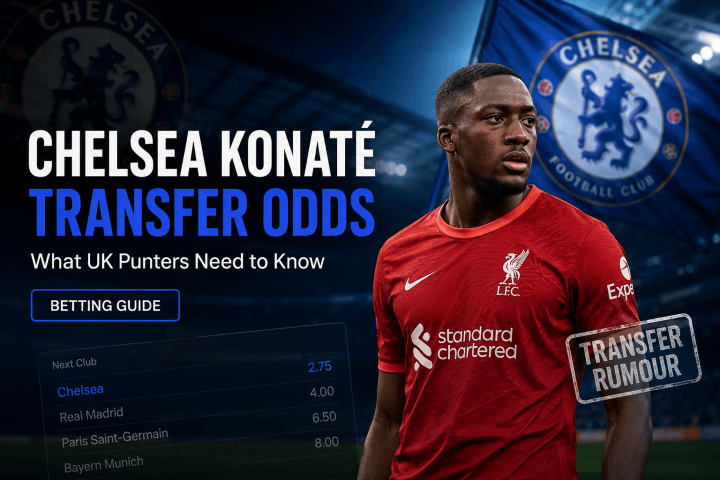
Chelsea Konaté Transfer Odds: What UK Punters Need to Know
Chelsea Konaté Transfer Odds: What UK Punters Need to KnowTransfer speculation often creates significant interest among football supporters and bettors alike. Recent reports linking Liverpool defender Ibrahima Konaté with Chelsea have prompted discussion across football media and betting markets. Whilst no transfer has been officially confirmed, UK bookmakers may offer transfer specials based on ongoing rumours.This guide explains how transfer betting markets operate, what influences transfer odds, and the risks punters should consider before placing a wager.Chelsea's Reported Interest in Ibrahima KonatéAt the time of writing, reports suggesting Chelsea's interest in Ibrahima Konaté remain speculative. Neither club has announced an agreement, and there is no official confirmation regarding a potential transfer.As with any transfer rumour, bettors should distinguish between media speculation and verified information before making betting decisions.Why Transfer Rumours Generate Betting InterestTransfer stories attract attention because they create opportunities for bookmakers to offer special betting markets. These markets allow punters to wager on a player's next club, whether a move will happen during a particular transfer window, or related transfer outcomes.However, transfer betting is highly sensitive to new information, causing odds to change rapidly.How Transfer Betting Markets WorkWhat Are Transfer Specials?Transfer specials are betting markets focused on player transfers rather than match results. Typical markets include:A player's next clubWhether a transfer will occur during a specific transfer windowWhether a player will remain at their current clubThese markets are particularly popular during the summer and January transfer windows.How Bookmakers Set Transfer OddsBookmakers compile odds using available information, market sentiment, industry intelligence, and betting activity. Unlike match betting, transfer markets often rely on incomplete information, making pricing more volatile.Odds may shorten when credible reports emerge or when significant betting volume is placed on a particular outcome.Understanding Odds MovementsChanges in odds can indicate:Increased confidence in a reported moveStronger media coverageHeavy betting activityHowever, shorter odds do not guarantee that a transfer will happen. They simply reflect changing market perceptions.Where to Find Konaté Transfer MarketsUK Bookmakers Offering Transfer SpecialsMany licensed UK bookmakers provide transfer betting markets during major transfer windows. These markets are usually found within football specials or transfer betting sections.Availability may vary depending on the bookmaker and the prominence of the rumour.Comparing Odds EffectivelyBefore placing a bet, compare odds across multiple regulated bookmakers. Pay attention to:Market rulesSettlement termsTransfer window deadlinesPrice differencesEven small variations in odds can significantly impact long-term betting value.Factors That Could Influence a Potential MoveSeveral factors may affect the likelihood of a transfer:Contract statusClub negotiationsTransfer fee requirementsSquad needsPlayer preferencesFinancial considerationsPunters should remember that many reported transfer stories never progress beyond initial speculation.The Risks of Unconfirmed ReportsTransfer rumours frequently originate from sources with varying levels of reliability. Multiple outlets may repeat the same information, creating a perception of certainty that may not reflect actual negotiations.For this reason, transfer betting should be viewed as a speculative market.Is There Value in Transfer Betting?Value exists when the odds offered are greater than a bettor's assessment of the true probability of an outcome.The challenge with transfer betting is that reliable information can be difficult to verify. As a result, many experienced bettors treat transfer specials as high-risk markets suitable only for modest stakes.Responsible Betting TipsTreat transfer markets as speculative wagers.Compare odds across several licensed bookmakers.Read all market rules carefully.Avoid increasing stakes based on rumours alone.Never chase losses.Only bet money you can afford to lose.Frequently Asked QuestionsWhat are the current odds on Ibrahima Konaté joining Chelsea?Transfer odds vary between bookmakers and can change quickly as new information emerges. Always compare prices across multiple operators before placing a bet.Which bookmakers offer transfer betting markets?Many major UK-licensed bookmakers offer transfer specials during transfer windows. Availability depends on market demand and current transfer speculation.How do transfer betting specials work?Transfer specials allow bettors to wager on transfer-related outcomes, such as a player's next club or whether a transfer will be completed during a particular window.What factors could influence a Konaté transfer?Potential influences include contract circumstances, negotiations between clubs, financial terms, and the player's personal preferences.Is betting on transfer rumours risky?Yes. Transfer betting involves considerable uncertainty, particularly when reports remain unconfirmed. Markets should be approached with caution and sensible stake management.ConclusionChelsea's reported interest in Ibrahima Konaté has naturally generated attention within transfer betting markets. Whilst such markets can be engaging, they remain highly speculative. Punters should focus on comparing odds, understanding market conditions, and managing risk responsibly rather than relying solely on rumours.Responsible GamblingTransfer betting carries significant uncertainty and should always be approached responsibly. Never gamble more than you can afford to lose. For support and advice, visit BeGambleAware.org. You must be aged 18 or over to participate in gambling activities.

Top 10 Footballers With the Most Goals in a Single Season Ever
Some footballing seasons stand above the rest, not for trophies won but for sheer goalscoring brilliance. Across eras, a handful of players have lit up entire campaigns with astonishing strike totals, setting records that have lasted decades. Here are the top 10 footballers with the most goals in a single season in history, spanning league and all-competition tallies.10. Fernando Peyroteo – 56 Goals (1945-46)Peyroteo’s incredible scoring rate saw him fire Sporting CP’s attack with 56 goals in the 1945/46 campaign, making him the tenth-highest single-season scorer in history.9. Luis Suárez – 59 Goals (2015-16)Luis Suárez enjoyed a sensational season at Barcelona, scoring 59 goals across all competitions, including a league Golden Boot-winning campaign.8. Cristiano Ronaldo – 61 Goals (2014-15)Cristiano Ronaldo’s 2014/15 season with Real Madrid brought 61 goals, showcasing his phenomenal consistency and clinical finishing at the highest level.7. Dixie Dean – 63 Goals (1927-28)English legend Dixie Dean scored 63 goals in the 1927/28 season for Everton, a scoring feat that has become part of football folklore.6. Zico – 65 Goals (1979)Brazilian icon Zico hit 65 goals in his 1979 campaign for Flamengo, demonstrating extraordinary attacking flair.4. Pelé – 66 Goals (1958)Pelé’s breakthrough season saw him score 66 goals for Santos, cementing his place as one of football’s most prolific scorers.4. Romário – 66 Goals (2000)Romário matched Pelé’s total with 66 goals in 2000 while impressing for Vasco da Gama, showcasing his clinical instincts across competitions.3. Gerd Müller – 67 Goals (1972-73)German legend Gerd Müller netted 67 goals in all competitions for Bayern Munich in the 1972/73 season, one of the most enduring records in goalscoring history.2. Lionel Messi – 73 Goals (2011-12)Lionel Messi scored an astonishing 73 goals in the 2011/12 season for Barcelona, setting a modern benchmark for single-season scoring excellence.1. Josef Bican – 76 Goals (1943-44)At the very top sits Josef Bican, whose remarkable 76-goal season remains the highest total ever recorded in a single campaign. His incredible finishing ability made him one of football’s most prolific scorers of all time.These remarkable tallies span eras, leagues and continents. Whether it’s pre-war heroes like Josef Bican or modern greats like Messi and Cristiano Ronaldo, these individual seasons represent the pinnacle of goalscoring achievement in football history — seasons that have stood the test of time and continue to awe fans around the world.

How to Watch Football Live in the UK: TV Channels, Live Streams & Matchday Guide
How to Watch Football Live in the UK: TV Channels, Live Streams & Matchday GuideFootball remains the most watched sport in the United Kingdom, with millions of supporters tuning in every week to follow domestic and international competitions.Whether you're looking to watch Premier League action, European football, domestic cup matches or international fixtures, there are more viewing options available than ever before. However, knowing where to watch each match can sometimes be confusing due to varying broadcast rights and streaming services.This guide explains the main ways to watch football live in the UK, how to access major broadcasters and what to check before matchday.How to Watch Football Live in the UKFootball coverage in the UK is spread across a range of broadcasters and streaming platforms.The most common viewing options include:• Free-to-air broadcasters• Subscription television services• Official streaming platforms• Mobile and smart TV applicationsAvailability depends on the competition, fixture and broadcasting agreements in place at the time.Always check official schedules before planning to watch a specific match.Free-to-Air Football CoverageBBC iPlayerBBC iPlayer occasionally provides live football coverage, particularly for selected international tournaments, domestic cup competitions and highlights programming.To access BBC iPlayer:Visit the official BBC iPlayer website or app.Sign in using a BBC account.Navigate to the live or sport section.Check listings for available football coverage.BBC iPlayer is available across:• Smartphones• Tablets• Smart TVs• Streaming devices• Desktop browsersITVXITVX also broadcasts selected football events throughout the year.Coverage may include:• International tournaments• England fixtures• Domestic cup competitions• Football highlights programmesTo access ITVX:Visit the ITVX website or download the app.Create or sign in to your account.Browse the live TV section.Select available football coverage.Both BBC iPlayer and ITVX offer legitimate free-to-air viewing options for UK audiences.Subscription Football BroadcastersSky SportsSky Sports remains one of the primary destinations for live football coverage in the UK.Depending on rights agreements, coverage may include:• Premier League matches• EFL competitions• Domestic cup football• International football programmingSky Sports content is available through:• Sky TV packages• NOW memberships• Mobile applications• Smart TV platformsTNT SportsTNT Sports provides coverage of a wide range of football competitions.Availability varies by season and broadcasting agreements, but may include domestic and European football.Subscribers can typically watch through:• Television packages• Official apps• Supported streaming devices• Web browsersAmazon Prime VideoAmazon Prime Video occasionally broadcasts selected football fixtures during the season.Where available, viewers can:Sign in with an active Amazon Prime account.Navigate to live sports content.Select available football broadcasts.Coverage schedules vary each season.How to Stream Football OnlineOnline streaming has become one of the most popular ways to watch football.Watching on Mobile DevicesMost major broadcasters offer dedicated applications for:• iPhone• Android devices• TabletsMobile viewing allows supporters to watch matches whilst travelling or away from home.Watching on Smart TVsMany football broadcasters support:• Samsung Smart TVs• LG Smart TVs• Android TV devices• Apple TV• Amazon Fire TVInstalling official apps before matchday can help avoid last-minute technical issues.Browser StreamingMost services also support browser-based streaming.Users simply need to:Visit the broadcaster's website.Sign in with their account.Select the live match stream.A stable internet connection is recommended for the best viewing experience.Can You Watch Football for Free Online?Certain football matches are available through free-to-air broadcasters.Options may include:• BBC iPlayer• ITVX• Official competition streams where availableCoverage varies significantly depending on the competition and broadcasting rights.Whilst some services occasionally offer promotional trials, viewers should always check official terms and conditions before subscribing.Finding Football Fixtures on TVBroadcast schedules change regularly throughout the season.Before matchday, check:• Official club websites• League websites• Broadcaster schedules• Competition organisersThese sources typically provide the most accurate and up-to-date information.Premier League CoveragePremier League broadcast schedules are usually announced in advance and may be subject to fixture changes.Always verify details through official channels before kick-off.EFL and Domestic Cup FootballCoverage for EFL competitions and domestic cups can vary depending on the round and broadcaster agreements.Checking official competition websites remains the most reliable approach.Preparing for MatchdayA little preparation can help ensure a smooth viewing experience.Before Kick-OffConsider the following checklist:✓ Confirm the kick-off time.✓ Verify the broadcaster.✓ Test your internet connection.✓ Update streaming apps if necessary.✓ Sign in before coverage begins.These simple steps can help avoid missing the start of the match.Following Team NewsSupporters often monitor:• Official team announcements• Manager press conferences• Confirmed starting line-upsMost clubs release official line-ups approximately one hour before kick-off.Understanding Betting ContextMany football supporters also follow betting markets alongside live matches.If reviewing odds before kick-off:• Remember that prices can change quickly.• Always verify current odds directly with licensed operators.• Avoid making decisions based solely on market movement.Football remains unpredictable regardless of pre-match expectations.Frequently Asked QuestionsHow can I watch football live in the UK?Football can be watched through free-to-air broadcasters, subscription television providers and official streaming platforms.Can I watch football for free online?Some matches are available via BBC iPlayer and ITVX, depending on broadcasting rights and competition schedules.Which devices support football streaming?Most major services support smartphones, tablets, smart TVs, streaming devices and desktop browsers.Do I need a TV subscription to watch football online?Not always. Some matches are available through free services, whilst others require a subscription or streaming membership.Can I watch football when travelling abroad?Availability depends on the broadcaster's licensing agreements and regional restrictions. Check provider policies before travelling.How do I find out which channel is showing a match?Consult official league websites, club websites and broadcaster schedules for the latest information.ConclusionWatching football live in the UK has never been more accessible. With a combination of free-to-air services, subscription broadcasters and online streaming platforms, supporters have multiple ways to follow their favourite teams throughout the season.The most important step is to verify schedules through official sources and ensure your chosen platform is ready before kick-off. A little preparation can help guarantee a smooth matchday experience from the first whistle to the final result.Responsible GamblingIf you choose to bet whilst watching football, always gamble responsibly. Never stake more than you can afford to lose and avoid chasing losses. Support is available through BeGambleAware.org and the National Gambling Helpline. You must be aged 18 or over to gamble in the UK.
Most Recent
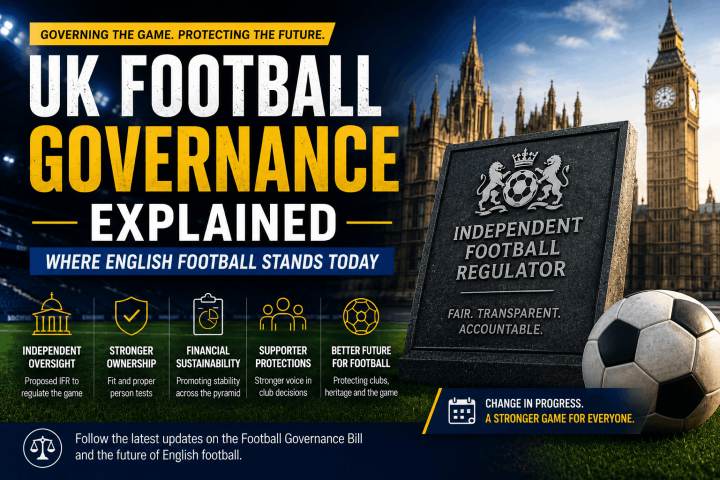
UK Football Governance Explained: Where English Football Stands Today
1 month ago
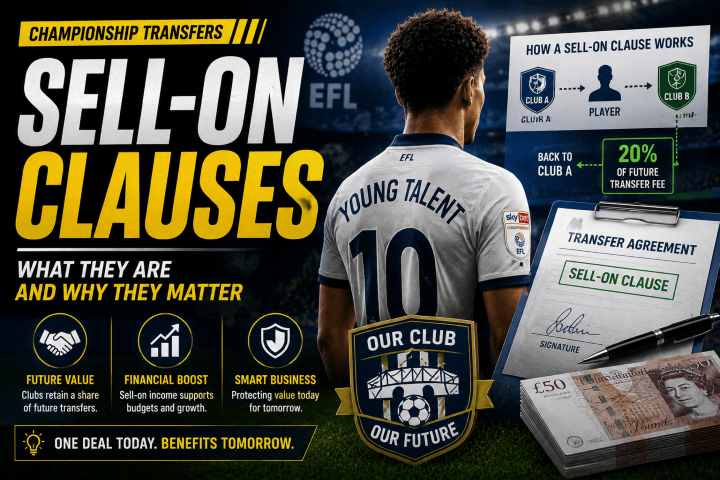
Sell-On Clauses in Championship Transfers: What They Are and Why They Matter
1 month ago
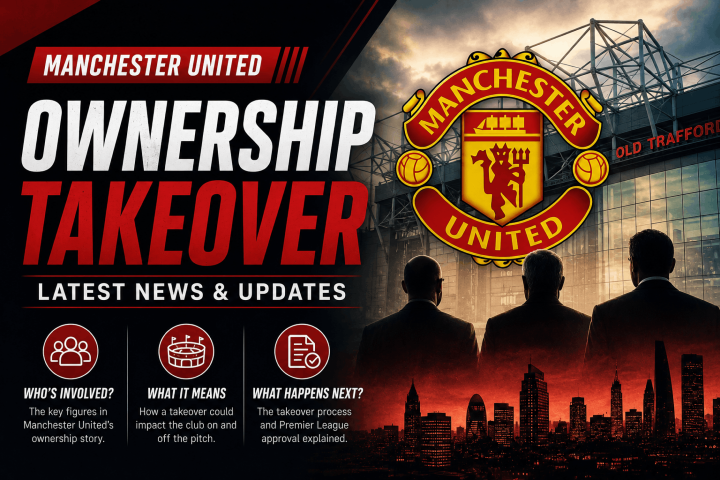
Manchester United Ownership: Latest Takeover News Explained
1 month ago

Manchester United Ownership Rumours Explained: Who Owns Man Utd and What Could Change?
1 month ago

Post-Tournament Football Analysis: What UK Fans Really Think About Governance and Spectacle
1 month ago

Football Youth Development in the UK: How Academies Shape Tomorrow's Stars
1 month ago

Football Transfer Rumours UK: How to Separate Fact from Speculation
1 month ago
Ultimate UK Football Quiz: Test Your Football Knowledge
1 month ago
# Tonight's Football Commentators on Sky Sports: Broadcast Team Guide If you're planning to watch live football on Sky Sports this evening, you'll probably want to know who will be presenting the coverage, commentating on the match and providing expert a
2 months ago

Tonight's Football Commentators on Sky Sports: Broadcast Team Guide
2 months ago
Football Guides
More Football Guides News
UK Football Governance Explained: Where English Football Stands Today
UK Football Governance Explained: Where English Football Stands TodayFootball governance has become one of the biggest talking points in English football. Discussions surrounding club ownership, financial sustainability and the proposed Independent Football Regulator (IFR) have the potential to reshape how the game is overseen in the years ahead.While many proposals remain under parliamentary consideration, understanding the current landscape can help supporters follow the debate with greater confidence.What Is Football Governance?Football governance refers to the rules, organisations and decision-making processes that oversee how the sport operates.Its primary objectives include:Protecting the long-term sustainability of clubsMaintaining the integrity of competitionsPromoting responsible ownershipSupporting financial transparencySafeguarding supporters' interestsGovernance affects every level of English football, from the Premier League to grassroots clubs.Who Governs English Football?Several organisations currently play key roles in regulating the game.These include:The Football Association (FA)The Premier LeagueThe English Football League (EFL)Alongside these existing bodies, proposals have been made to introduce an Independent Football Regulator (IFR) to oversee specific areas of financial and ownership governance. At present, the IFR remains a proposal rather than an operational regulator.What Is the Independent Football Regulator?The proposed Independent Football Regulator is intended to provide independent oversight of English football.Public discussions suggest it could focus on:Financial sustainabilityClub ownership checksGreater transparencyProtection of club heritageHowever, the precise powers of the regulator remain subject to consultation and parliamentary approval.The Football Governance BillThe Football Governance Bill provides the legislative framework for many of the proposed reforms.Among the measures under discussion are:Updated owners' and directors' testsIncreased financial transparencyGreater protection for club identity and heritageAs the Bill continues through Parliament, details may change before any final legislation is introduced.How Governance Differs Across the Football PyramidThe challenges facing clubs vary significantly depending on their level.Premier League ClubsTop-flight clubs benefit from substantial broadcasting and commercial revenues and already operate within established self-governance structures.EFL ClubsChampionship, League One and League Two clubs generally work with tighter financial margins, making them more vulnerable to economic pressures.Non-League FootballGrassroots and non-league clubs often depend heavily on volunteers, local communities and matchday income, creating different governance priorities.The Growing Role of SupportersSupporters have become an increasingly important part of governance discussions.Current proposals include:Greater consultation rightsIncreased transparency on major club decisionsRecognition of supporter trustsStronger protections for club heritageThe extent of these rights will depend on the final form of any legislation.Key Governance TermsIndependent Football Regulator (IFR)A proposed statutory body intended to oversee aspects of football governance, particularly ownership and financial sustainability.Fit and Proper Person TestA proposed assessment designed to ensure prospective owners meet appropriate regulatory standards.Financial SustainabilityThe principle that clubs should operate responsibly and remain financially resilient over the long term.Frequently Asked QuestionsWhat is the Independent Football Regulator?The IFR is a proposed statutory regulator that would oversee financial sustainability and aspects of club ownership within English football.What does the Football Governance Bill propose?The Bill includes proposals covering ownership tests, financial transparency and protections for club heritage, although these measures remain subject to parliamentary approval.Does the FA regulate all aspects of football governance?The FA governs many aspects of English football, including the rules of the game and disciplinary matters. The proposed IFR would have a different focus, centred on financial and ownership oversight.Why are lower-league clubs affected differently?Lower-league clubs typically generate less commercial income and are more vulnerable to financial pressures, which is one reason governance reform has become a major topic of discussion.Will supporters gain more influence?Current proposals suggest supporters could receive stronger consultation rights on major club decisions, although the final scope of those rights has not yet been confirmed.ConclusionFootball governance in England is entering a period of significant debate and potential reform. While proposals surrounding the Independent Football Regulator and the Football Governance Bill continue to evolve, the overall aim is to improve financial sustainability, strengthen ownership standards and provide greater protection for clubs and supporters throughout the football pyramid.
Sell-On Clauses in Championship Transfers: What They Are and Why They Matter
Sell-On Clauses in Championship Transfers: What They Are and Why They MatterTransfer fees often dominate the headlines, but some of the most valuable parts of a football deal remain hidden in the contract. One of the most significant is the sell-on clause, a provision that allows a club to benefit financially if a player is transferred again in the future.For Championship and wider EFL clubs, these clauses can provide an important source of long-term income and help support sustainable growth.What Is a Sell-On Clause?A sell-on clause is a contractual agreement that gives a former club a share of the proceeds from a player's future transfer.These clauses are commonly included when clubs sell promising young talent before the player reaches peak market value, allowing them to benefit if the player's value increases later in their career.How Does a Sell-On Clause Work?The clause is agreed when the original transfer takes place.If the player later joins another club, the club holding the sell-on rights receives an agreed percentage based on the contract.Two common structures are used:Flat Sell-On ClauseA fixed percentage applies to either:The total transfer feeThe profit generated from the future saleTiered Sell-On ClauseThe percentage changes depending on agreed conditions, such as:Transfer fee thresholdsProfit levelsPerformance milestonesTiered agreements allow clubs to benefit more if a player's value rises significantly.Why Sell-On Clauses Matter to Championship ClubsChampionship clubs often operate with tighter financial constraints than Premier League sides.Future transfer income generated through sell-on clauses can help clubs:Support academy developmentImprove financial stabilityInvest in squad improvementsReduce the financial risk of selling talented players earlyFor many EFL clubs, anticipated sell-on income forms an important part of long-term financial planning.Negotiating Sell-On ClausesNot every sell-on clause is identical.Negotiations often cover:Whether the percentage applies to the total fee or only the profitWhether the clause expires after a set periodWhether performance-related add-ons are includedWhether the clause can later be bought outClubs must balance immediate transfer income against potential future rewards when agreeing these terms.What Do Sell-On Clauses Mean for Bettors?Sell-on clauses should be viewed as financial context rather than direct betting signals.They can provide insight into:A club's recruitment strategyLong-term financial planningPotential future transfer incomeHowever, they should not be used as standalone indicators when predicting match results, promotion or relegation outcomes.Frequently Asked QuestionsWhat is a sell-on clause in football?A sell-on clause gives a former club the right to receive a percentage of a player's future transfer fee or profit if that player is sold again.Why do Championship clubs use sell-on clauses?They provide an additional source of future income, helping clubs strengthen finances, support academy development and reduce financial risk.How is a sell-on clause calculated?Depending on the contract, the percentage may apply to either the full transfer fee or only the profit generated from the player's future sale.Can a sell-on clause be removed?Yes. If all parties agree, the clause can be renegotiated, waived or bought out through a new contractual agreement.Do sell-on clauses affect betting markets?Not directly. They provide useful financial context but are not reliable predictors of sporting performance or betting outcomes.ConclusionSell-on clauses have become an essential part of modern football transfers, particularly for Championship and EFL clubs seeking long-term financial security. While they rarely influence results on the pitch, they can play a significant role in shaping recruitment strategies, supporting academy investment and strengthening club finances. Understanding how these agreements work provides valuable context for supporters and bettors following the transfer market.
Manchester United Ownership: Latest Takeover News Explained
Manchester United Ownership: Latest Takeover News ExplainedManchester United's ownership remains one of the most discussed topics in English football. Alongside transfer speculation, takeover reports regularly generate headlines and raise questions about the club's long-term direction.Understanding how football ownership works—and knowing the difference between verified information and speculation—can help supporters follow developments with greater confidence.Who Owns Manchester United?Manchester United operates under a complex ownership structure involving private shareholders and long-standing family ownership.Whenever discussions about ownership emerge, it's important to distinguish between:Existing shareholdersMinority investorsPotential buyersOfficial club executivesOwnership details can evolve over time, so supporters should always rely on official club statements and trusted news organisations for confirmed information.Sir Jim Ratcliffe and INEOSSir Jim Ratcliffe and INEOS have featured prominently in discussions surrounding Manchester United's ownership.While media reports frequently discuss their role, readers should refer to official disclosures and club announcements for confirmed details regarding any ownership stake, governance responsibilities or future plans.The Glazer Family's PositionThe Glazer family have owned Manchester United for many years and remain central to conversations surrounding any potential ownership changes.Speculation about a full sale, partial investment or restructuring should always be treated cautiously unless supported by official announcements or verified reporting.What Would a Takeover Mean?A change of ownership could influence several aspects of the club, including:Transfer InvestmentNew ownership may alter recruitment strategies and long-term investment plans, although any spending commitments remain speculative until officially confirmed.Stadium DevelopmentInfrastructure projects, including improvements to Old Trafford and training facilities, are often discussed during ownership transitions but depend entirely on future ownership decisions.Premier League ApprovalAny significant ownership change must pass the Premier League's Owners' and Directors' Test before control of the club can officially change hands.Minority Investment vs Full TakeoverNot every investment results in a complete change of control.A minority stake allows an investor to own part of the club without controlling major strategic decisions.A full takeover transfers overall control, including long-term planning, board appointments and key financial decisions.Understanding this distinction helps supporters interpret ownership reports more accurately.Could Ownership Affect Betting Markets?Ownership speculation can occasionally influence long-term football betting markets.Examples include:Premier League Winner oddsLong-term club performance marketsManagerial marketsTransfer-related specialsHowever, bookmakers generally place greater emphasis on confirmed team news, player transfers and on-pitch performances than ownership rumours alone.Frequently Asked QuestionsWho currently owns Manchester United?Manchester United is owned through a private shareholder structure. For the latest confirmed ownership information, always refer to official club communications and regulatory disclosures.Has Manchester United been sold?At the time covered by the source document, no full sale had been officially confirmed. Always check current announcements for the latest verified information.What role does Sir Jim Ratcliffe play?Sir Jim Ratcliffe and INEOS have been associated with Manchester United's ownership discussions. The exact structure of any involvement should be confirmed through official disclosures.Could a takeover affect transfers?Potentially. A change in ownership may influence recruitment and investment strategy, although any impact depends on future decisions by the club's owners.How long can a football takeover take?There is no fixed timetable. Ownership changes involve shareholder negotiations, regulatory approval and legal processes before completion.ConclusionManchester United's ownership remains a subject of significant public interest, but supporters should focus on verified information rather than speculation. Official club statements, Premier League disclosures and trusted news organisations provide the most reliable updates on any ownership developments. Understanding how football takeovers work also makes it easier to interpret headlines and separate genuine progress from rumours.
Manchester United Ownership Rumours Explained: Who Owns Man Utd and What Could Change?
Manchester United Ownership Rumours Explained: Who Owns Man Utd and What Could Change?Manchester United's ownership has remained one of the biggest talking points in English football. Alongside transfer speculation and on-pitch performances, rumours surrounding potential investors and takeover discussions regularly dominate headlines.Understanding how football club ownership works can help supporters separate confirmed information from speculation and better understand what any future ownership changes could actually mean.Who Owns Manchester United?Large football clubs often have complex ownership structures involving majority shareholders, minority investors and publicly traded shares.When discussing ownership, it's important to distinguish between:Majority shareholdersMinority investorsBoard membersClub executivesEach group plays a different role in how a football club is managed and governed.Majority Ownership vs Minority InvestmentThese terms are frequently mentioned during takeover discussions but are often misunderstood.Majority OwnershipA majority shareholder controls enough voting shares to influence major strategic decisions, including board appointments and long-term planning.Minority InvestmentA minority investor owns a smaller percentage of voting shares and may influence decision-making without having overall control of the club.Understanding this distinction makes it easier to interpret ownership rumours reported during takeover negotiations.How Football Club Takeovers WorkBuying a football club is a lengthy process that extends far beyond agreeing a purchase price.A typical takeover may involve:Financial negotiationsDue diligenceShareholder approvalRegulatory checksCompletion of legal documentationBecause several stages must be completed, rumours often emerge long before any deal becomes official.Evaluating Ownership RumoursNot every report deserves equal attention.Supporters should look for:Official club statementsRegulatory filingsCompany disclosuresReputable national media sourcesAnonymous social media posts and unverified claims should always be treated with caution until independently confirmed.What Could Change Under New Ownership?Every ownership group has different priorities, making it impossible to predict future decisions with certainty.Potential areas of change could include:Long-term club strategyInfrastructure investmentBoard appointmentsFootball operationsRecruitment philosophyHowever, any specific outcome remains speculative until officially announced.Frequently Asked QuestionsWho currently owns Manchester United?Ownership information should always be confirmed through official company filings and shareholder records, as media reports may simplify complex corporate structures.What is the difference between a takeover and an investment?A takeover changes the controlling ownership of the club, while a minority investment provides funding or influence without transferring overall control.Why do ownership rumours appear so frequently?Large football clubs regularly attract investor interest, leading to speculation long before any formal agreement is reached.How can fans verify ownership news?Official club announcements, financial disclosures and regulatory filings remain the most reliable sources.Would new owners immediately change the club?Not necessarily. Any strategic or football-related changes typically require board approval and are introduced over time.Why are takeover negotiations so complicated?Ownership structures, legal requirements, valuations and shareholder agreements all contribute to lengthy negotiations.ConclusionManchester United ownership stories will continue to attract attention, but understanding how football club ownership works makes it easier to separate confirmed developments from speculation. By relying on official announcements, corporate filings and trusted reporting, supporters can follow takeover discussions with greater confidence while avoiding the misinformation that often surrounds high-profile ownership rumours.
Post-Tournament Football Analysis: What UK Fans Really Think About Governance and Spectacle
Post-Tournament Football Analysis: What UK Fans Really Think About Governance and SpectacleOnce the final whistle has blown and the celebrations have faded, football supporters begin asking bigger questions. Beyond the results, many UK fans reflect on how a tournament was organised, whether supporters were treated fairly and whether the event truly lived up to expectations.While memorable matches create headlines, long-term opinions are often shaped by governance, fan experience and the balance between entertainment and accessibility.Looking Beyond the FootballMajor tournaments are judged on far more than what happens on the pitch.Supporters often evaluate:Tournament organisationTicket availabilityStadium atmosphereBroadcast coverageFan accessibilityCommunication from organisersThese factors can leave a lasting impression long after the trophy has been lifted.Governance MattersModern football tournaments involve complex organisational decisions that affect millions of supporters.Common discussion points include:TransparencyFans increasingly expect governing bodies to communicate decisions clearly, particularly regarding hosting, scheduling and tournament planning.TicketingFair access to tickets remains one of the biggest concerns among travelling supporters.Supporter RepresentationMany fans believe supporter groups should play a greater role when major tournament decisions are made.The UK Fan PerspectiveBritish football supporters have long been recognised for their passion, atmosphere and willingness to travel.As a result, they often expect:Affordable ticketingClear travel informationAccessible broadcast coverageAuthentic stadium atmospheresFair treatment from organisersWhen these expectations are not met, post-tournament criticism usually focuses on organisation rather than football itself.Spectacle vs SubstanceOpening ceremonies, television production and impressive stadiums undoubtedly enhance major tournaments.However, many supporters believe these elements should never come at the expense of practical fan experience.Key priorities include:Reliable ticket allocationComfortable stadium facilitiesEfficient stewardingAffordable accessGenuine supporter atmosphereA successful tournament combines world-class presentation with a positive experience for travelling fans and viewers alike.Learning from Every TournamentPost-event analysis often shapes future competitions.Lessons learned can encourage improvements in:Tournament planningCommunicationFan consultationCommercial transparencySupporter engagementConstructive feedback from supporters has become an increasingly important part of football governance.Frequently Asked QuestionsWhy is post-tournament analysis important?It helps supporters evaluate how well a tournament was organised beyond the football itself.What issues do UK fans discuss most?Ticketing, governance, travel arrangements, stadium atmosphere and supporter access are among the most common topics.Does fan feedback influence future tournaments?Increasingly, yes. Organisers often use supporter feedback when reviewing major events and planning future competitions.Why is governance discussed so often?Because decisions around ticketing, scheduling and communication directly affect supporters' experiences.What is meant by "spectacle versus substance"?It refers to balancing impressive presentation with practical issues such as accessibility, organisation and fan welfare.What do supporters want to see improve?Greater transparency, fairer ticket allocation, clearer communication and stronger supporter involvement in decision-making.ConclusionFor many UK football fans, the story of a tournament doesn't end with the final match. The way an event is organised, communicated and experienced often leaves a longer-lasting impression than the results themselves. By encouraging greater transparency, fairer access and meaningful supporter engagement, future tournaments can deliver not only unforgettable football but also a better experience for everyone involved.
Stay ahead of the game with the latest sports news, live updates, and expert analysis from around the world. From football, basketball, and tennis to motorsports, athletics, and emerging sports, we bring you the top headlines, breaking stories, and in-depth coverage every day.
Our sports articles highlight match results, player performances, transfer news, upcoming fixtures, and behind-the-scenes insights that fans need to know. Whether you’re looking for live score updates, post-match reports, or exclusive interviews, this is your go-to destination for all things sports.
Browse through our regularly updated sports articles and never miss a moment of the action. With real-time updates and trending stories, we keep you informed about your favorite teams, athletes, and tournaments.
Discover the passion of sports through our comprehensive coverage, engaging stories, and expert commentary — all in one place.